Disney has officially unveiled its first look at the live-action reimagining of Lilo & Stitch, and at the center of it all is Stitch—reborn, retextured, and unmistakably disruptive. The highly anticipated summer 2025 remake doesn’t just bring back a beloved character; it reshapes him for a new generation, blending CGI realism with emotional depth. The reveal, teased through concept art and a behind-the-scenes promotional clip, has ignited both excitement and cautious skepticism among longtime fans.
This isn’t just another nostalgic cash-in. The new Stitch design suggests a bolder narrative direction—one that leans into his origins as a genetic experiment while grounding his chaos in emotional resonance. With Lilo & Stitch holding a cult-like status for its subversion of Disney norms, the stakes are high. But Disney appears to be walking the tightrope carefully: modernizing the visuals without erasing the soul.
The New Look: CGI Evolution Without Losing Charm
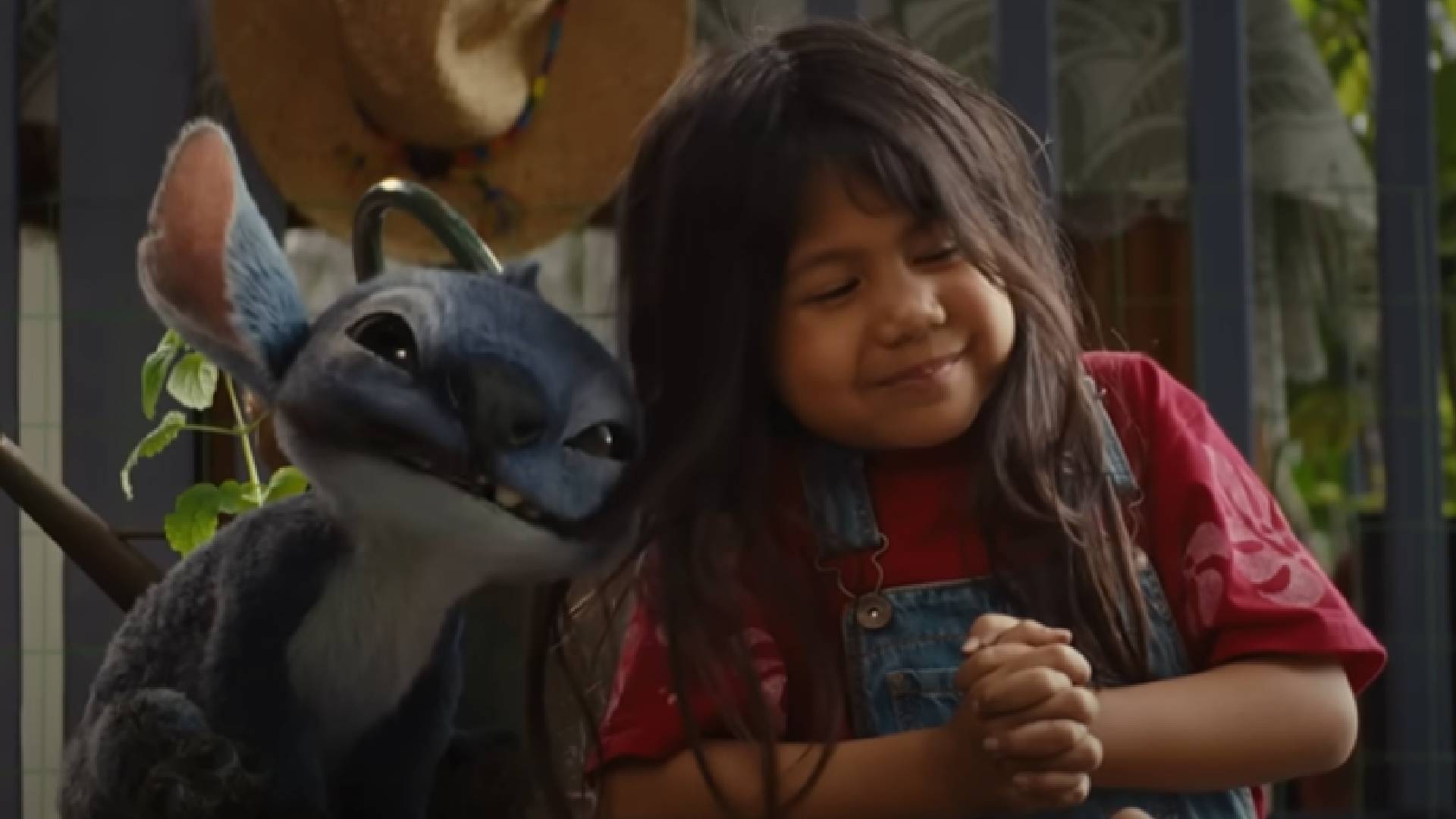
The first official image of live-action Stitch confirms he’s no longer just a cartoonish blue whirlwind. Rendered with advanced fur simulation and expressive digital musculature, this version of Stitch feels tangible—like he could leap off the screen and knock over your coffee table. His oversized ears twitch with subtle motion, his eyes carry a wider emotional range, and his four arms move with biomechanical precision.
But the biggest shift? Scale. He’s slightly larger than his animated counterpart, standing closer to knee-height on an average adult. This change impacts how he interacts with the world—less slapstick cartoon logic, more physical presence. In early test footage, he shoves a trash can over not with a comical boing, but with a forceful, almost feral lunge.
Disney’s visual effects team, collaborating with Industrial Light & Magic, emphasized “organic disruption” in their design brief. “We didn’t want a plush toy come to life,” says lead VFX supervisor Elena Cho in a recent trade interview. “We wanted something that felt like it could exist—dangerous, unpredictable, but still capable of love.”
That balance is key. Fans remember Stitch not for his destruction, but for his redemption. The new design hints at that duality: sharp claws retracted during quiet moments, eyes softening when near Lilo. It’s a technical achievement, yes—but more importantly, it’s a character statement.
Casting Choices Signal a Grounded, Emotional Core
While Stitch is CGI, the humans anchoring him are very real—and thoughtfully cast. Maia Kealoha, a first-time actress of Native Hawaiian descent, plays Lilo. Her casting aligns with Disney’s recent push for authentic representation, especially after criticism over whitewashing in earlier remakes.
Tessa Thompson steps into the role of Nani, replacing the late Tia Carrere. Thompson brings a grounded resilience to the character, evident in early stills showing her balancing grocery bags while wrangling a mischievous Stitch. Her performance is described by insiders as “warm but weary”—a single sister doing her best in a flawed system.

The decision to cast real Hawaiian talent extends behind the camera, too. Director Dean Fleischer Camp, known for Marcel the Shell with Shoes On, brings a documentary-style sensitivity to character dynamics. “We’re not amplifying the quirk,” Camp told Variety. “We’re honoring the quiet pain beneath it—the grief, the financial stress, the cultural displacement.”
This approach reframes Stitch not just as comic relief, but as a catalyst for emotional healing—both for Lilo and, unexpectedly, for himself.
Plot Changes: More Than a Frame-for-Frame Reboot
Early script leaks and production notes suggest the 2025 remake isn’t a direct translation. While the core beats remain—Stitch’s escape, adoption, clash with Captain Gantu, and bond with Lilo—several key additions deepen the narrative.
First, expanded lore around the Galactic Council. In the original, they’re a distant authority. Here, they’re active antagonists, deploying surveillance drones and bureaucratic coldness that mirror real-world immigration systems. This layer adds political tension, especially as social worker Cobra Bubbles (played with dry gravitas by Bowen Yang) becomes more than comic relief—he’s a flawed but well-intentioned bureaucrat caught between policy and empathy.
Second, Stitch’s origin is explored in greater depth. Through fragmented flashbacks, we see his creation in a sterile lab, the trauma of failed behavioral tests, and the moment he’s labeled “Experiment 626” instead of given a name. These scenes humanize him before he even meets Lilo.
Finally, the ending diverges subtly. Instead of a simple “‘ohana means family” resolution, the film closes with Lilo applying to foster other “experiments” deemed too dangerous. It’s a quiet nod to adoption systems and second chances—elevating the story beyond individual healing to collective care.
Fan Reactions: Nostalgia Meets Skepticism
The reveal trailer drew 18 million views in its first 72 hours, but comments are split. “He looks like a feral raccoon stuffed with wires,” one YouTube user wrote. “Too realistic,” echoed a Reddit thread on r/DisneyPlus. Others praised the emotional nuance: “I cried at the scene where he hides under the bed after being called a monster.”
The tension reflects a broader pattern in Disney’s live-action strategy. Remakes of The Lion King and Aladdin succeeded commercially but faced criticism for losing the magic of hand-drawn animation. With Stitch, the risk is even higher—his exaggerated movements and cartoon physics were essential to his charm.
But early test screenings suggest the filmmakers understand this. One scene, not in the original, shows Stitch mimicking Lilo’s hula dance, limbs awkward and uncoordinated. It’s not just funny—it’s poignant. He’s trying to belong. That moment alone may quiet some doubters.
Why This Remake Matters Beyond Box Office
Lilo & Stitch was never just a kids’ movie. Released in 2002, it quietly challenged Disney tropes: no princess, no romance, no European setting. Its focus on grief, poverty, and cultural identity made it an outlier. In a landscape of flashy remakes, this version could reclaim that radical spirit.
The decision to keep the Hawaiian setting authentic—filmed on location with local consultants, using native plants in set design, and integrating ‘ōlelo Hawai’i (Hawaiian language) into dialogue—is a step forward. One scene features Lilo correcting a tourist’s pronunciation of “Kaua’i”—a small moment with big symbolic weight.

Moreover, Stitch’s character arc now parallels conversations about neurodivergence and behavioral “normalization.” His outbursts aren’t just funny; they’re framed as reactions to trauma and misunderstanding. In classrooms and therapy groups, the original film has long been used to discuss acceptance. This remake could amplify that impact.
Production Challenges: Balancing Realism and Whimsy
Creating a believable Stitch without losing his cartoonish heart was the production’s biggest hurdle. Animators studied real animals—raccoons, monkeys, even dogs—to inform his movement. But early tests made him too animalistic. “He looked like a lab escapee from a horror movie,” admitted animation director Marcus Lee.
The breakthrough came when the team shifted focus from realism to intentionality. Every movement had to express emotion. A twitch of the ear = curiosity. A crouch low to the ground = fear. Even his iconic screech was re-recorded with layered vocal samples to sound alien yet expressive.
On set, a puppet version was used for eyeline and interaction guidance, though it was ultimately replaced in post. Child actress Maia Kealoha reportedly bonded with the puppet, talking to it between takes. “It helped me remember he wasn’t just pixels,” she said in a Disney featurette.
What to Expect
This Summer
The summer 2025 release date positions the film as a counterpoint to typical blockbuster fare. No Avengers, no space wars—just a broken family, a blue alien, and a message that “weird” doesn’t mean “wrong.”
Marketing materials emphasize emotional beats over action. The tagline? “Family isn’t always blood. Sometimes, it’s chaos.” Trailers highlight quiet moments: Stitch curled up beside Lilo during a thunderstorm, Nani humming a lullaby while paying bills, Stitch carefully placing a cracked photo back on the shelf.
Disney is betting that audiences are ready for something softer, stranger, and more sincere. If the live-action Stitch reveal is any indication, they might be right.
Stay grounded in what made the original resonate—imperfection, heart, and the courage to love something that doesn’t fit. That’s the real magic.
FAQ What does the live-action Stitch look like? He’s more detailed and physically realistic, with expressive eyes, textured fur, and slightly larger proportions—balancing menace and emotional depth.
Is the original voice returning for Stitch? No. While Chris Sanders voiced Stitch in the original, the 2025 version uses a new vocal performance blended with sound design for a more organic, creature-like effect.
Where is the live-action Lilo & Stitch filmed? On location in Hawaii, with efforts to preserve cultural authenticity in sets, language, and casting.
Will the soundtrack be the same? The iconic Elvis songs return, but with reimagined arrangements. New original music by Mark Mancina ties the score to Hawaiian instrumentation.
Is this a direct remake of the 2002 film? It follows the original plot but adds new layers—deeper exploration of Stitch’s trauma, expanded roles for Nani and Cobra, and a more socially aware narrative.
Who is directing the live-action Stitch movie? Dean Fleischer Camp, known for Marcel the Shell with Shoes On, bringing a sensitive, character-driven approach.
Does the movie keep the ‘ohana theme? Yes—“‘ohana means family” remains central, but the film expands it to include community, acceptance, and second chances.
FAQ
What should you look for in Disney's Live-Action Stitch Revealed Ahead of 2025 Remake? Focus on relevance, practical value, and how well the solution matches real user intent.
Is Disney's Live-Action Stitch Revealed Ahead of 2025 Remake suitable for beginners? That depends on the workflow, but a clear step-by-step approach usually makes it easier to start.
How do you compare options around Disney's Live-Action Stitch Revealed Ahead of 2025 Remake? Compare features, trust signals, limitations, pricing, and ease of implementation.
What mistakes should you avoid? Avoid generic choices, weak validation, and decisions based only on marketing claims.
What is the next best step? Shortlist the most relevant options, validate them quickly, and refine from real-world results.