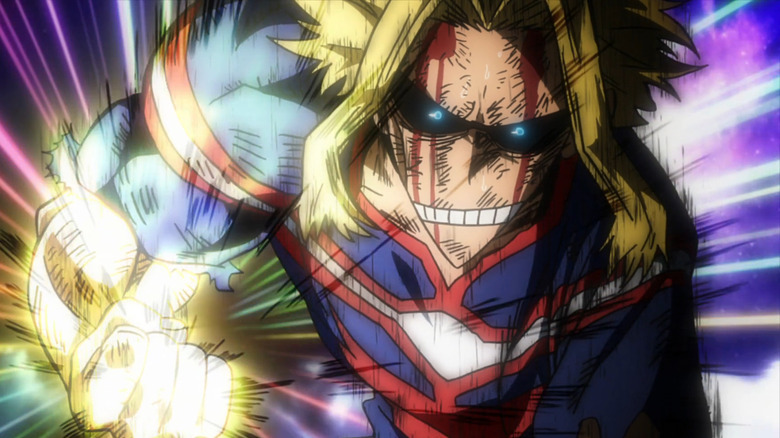
A public apology meant to quell outrage instead ignites further fury when a My Hero Academia voice actor and popular streamer addresses cheating allegations. What was supposed to be a moment of accountability quickly devolves into a masterclass in how not to apologize — fueling criticism across anime communities, streaming platforms, and social media. The incident isn’t just about infidelity; it’s about tone-deaf damage control in the digital age.
Fans expected remorse. They got deflection.
The Scandal Breaks: Leaked Messages and Fan Backlash
It began with private messages surfacing on Twitter and Reddit, showing explicit conversations between the voice actor — known for voicing a major supporting character in the English dub of My Hero Academia — and someone other than his long-term girlfriend. Screenshots spread like wildfire across r/Animedubs and r/MyHeroAcademia, with users dissecting timestamps, emotional tone, and whether the affair occurred during production downtime or amid a supposed reconciliation period.
The streamer, who also hosts weekly anime reaction streams with tens of thousands of concurrent viewers, initially dismissed the claims as “fabricated.” But within 48 hours, more evidence emerged: location check-ins at hotels, shared Uber receipts, and voice notes confirming intimacy.
Fan reactions were swift and brutal.
“I defended him when people questioned his behavior at conventions,” one fan wrote. “But this? He looked his girlfriend in the face during that charity stream and said ‘she’s my hero.’ That line hits differently now.”
The betrayal wasn’t just personal — it felt performative. Many accused him of using his public persona to mask private deception.
The Apology Video: What Went Wrong
Two weeks after the leak, the voice actor uploaded a 12-minute YouTube video titled “Clarifying Recent Events.” The video, meant to restore trust, instead amplified the backlash. Here’s why it failed:
#### 1. Blame-Shifting Language Rather than lead with accountability, he opened by citing “emotional exhaustion” from streaming full-time and “feeling disconnected” from his partner. While emotional strain is real, framing it as justification for cheating alienated viewers.
“I wasn’t in the right headspace,” he said — a phrase that became a meme across anime Discord servers.
Fans pointed out that emotional distance doesn’t excuse betrayal — especially when he continued posting affectionate content with his girlfriend during the alleged affair.
#### 2. Minimizing the Act He referred to the relationship with the other person as “a moment of weakness” and “not serious.” To many, this dismissed the gravity of emotional and physical infidelity. Worse, he avoided using words like “cheated,” “lied,” or “betrayed.”
That linguistic evasion didn’t go unnoticed.
“He can’t even say the word,” commented one top Reddit mod. “If you can’t name what you did, you’re not sorry for doing it — you’re sorry for getting caught.”
#### 3. Focus on Career Impact Over three minutes were spent discussing how the scandal affected his work on My Hero Academia, voicing concerns about being recast or losing future roles. While professional consequences are valid, prioritizing career over personal harm came across as self-centered.
Fans noted the irony: a man who voiced a hero — one whose character preaches responsibility and protecting others — now worrying more about his image than the person he hurt most.
#### 4. No Direct Apology to His Girlfriend Though he said “I’m sorry” twice, neither was addressed directly to his ex. Instead, he apologized “to everyone affected,” which diluted sincerity. There was no sign he’d spoken to her privately, nor any indication of efforts to make amends.
Psychologists who analyze public apologies say this is a fatal flaw.
“A blanket apology to ‘everyone’ spreads responsibility thin,” said Dr. Lena Torres, a media psychologist. “It lets the offender avoid facing the primary victim. That’s not healing — that’s PR.”
Fallout in the Anime and Streaming Communities
The ripple effects were immediate.
#### Impact on My Hero Academia Fandom The English dub community, already sensitive to voice actor conduct (following past controversies involving other anime dubs), demanded action. Petitions circulated calling for the voice actor’s removal from future seasons. While no official casting change has been announced, behind-the-scenes sources suggest discussions are underway.
Streaming fans noticed a shift, too. His usual 30,000+ live viewers dropped to under 8,000 after the apology. Super Chats, typically in the thousands during anime streams, dried up.
“One $5 message the whole night,” a moderator said. “And it said ‘Be kind to your ex.’”
#### Broader Conversation About Performative Accountability The incident sparked debates beyond the anime niche. Content creators, therapists, and media critics began using the apology as a case study in failed crisis management.
On TikTok, videos dissecting the apology’s red flags — titled “5 Signs This Apology Isn’t Real” — amassed over 2 million views combined. Themes included:
- Lack of specific remorse (“I’m sorry I hurt you” vs. “I’m sorry people are upset”)
- Absence of restitution
- Overemphasis on self-suffering
Even neutral observers agreed: the delivery undermined any chance of redemption.
Why Voice Actors Are Held to Heroic Standards
There’s an unspoken contract between fans and the voices behind beloved characters. When you lend your voice to a hero — especially one like My Hero Academia, where integrity and self-sacrifice are core themes — audiences project those ideals onto you.
This voice actor played a character who sacrifices everything to protect his friends. That role, over years of consistent performance, built emotional equity with fans. When real-life actions contradict that image, the dissonance is jarring.
“We don’t expect him to be a real hero,” said one longtime viewer. “But we expected him to be honest. That’s the bare minimum.”
It’s not that fans demand perfection. It’s that when someone profits — emotionally, financially, socially — from a heroic persona, ethical failure feels like a breach of contract.
Other voice actors have faced scandals before. Some recovered. What set this case apart was the refusal to fully own the mistake. Redemption arcs work only when the person walks into the fire — not tries to smother the flames with excuses.
Lessons for Public Figures: How to Apologize (and How Not To)
This incident offers concrete takeaways for influencers, streamers, and performers navigating personal scandals:
✅ Do This: - Apologize directly to the person harmed — publicly, by name - Use clear, unambiguous language: “I cheated,” “I lied,” “I failed you” - Acknowledge the impact, not just the intent - Step back temporarily to allow space for healing - Follow up with private amends, not just public statements
❌ Don’t Do This: - Blame stress, fame, or workload - Speak more about career consequences than personal harm - Use passive language (“mistakes were made”) - Expect forgiveness as a right after apologizing - Return to content creation immediately without reflection
One anonymous voice actor, who went through a similar situation years prior, shared advice on a private industry Discord:
“I sat out six months. Didn’t stream. Didn’t post. Wrote a real letter to the person I hurt. When I came back, I didn’t ask for forgiveness — I proved I’d changed. That’s the only path that works.”
Can Redemption Still Happen?
Right now, the answer seems unlikely.
Sponsors have quietly dropped him. His convention appearances for the year have been canceled. Even past co-stars have distanced themselves, avoiding joint interviews or social media tags.
But redemption isn’t about public approval — it’s about private transformation. If he spends real time working on accountability, therapy, and repairing personal damage (not just reputation), a slow return may be possible.
Still, the window is narrow. In the streaming world, where relevance moves fast, being canceled today often means irrelevance tomorrow.
And in the My Hero Academia universe, where heroes are defined by their choices — not their powers — the irony is thick. A man who voiced courage and honesty made a cowardly, dishonest choice. And when called to be heroic in real life, he failed the test.
Closing: Integrity Matters More Than Talent
Talent opens doors. Integrity keeps them open.
This scandal isn’t just about one man’s poor judgment — it’s a warning to every content creator leveraging authenticity for connection. Authenticity isn’t a brand strategy. It’s a daily practice.
Fans don’t need heroes in real life. But they deserve honesty.
For creators, the lesson is clear: what you do behind the mic matters as much as what you say in front of it.
Frequently Asked Questions
Who is the My Hero Academia voice actor involved in the cheating scandal? The actor has not been officially named in this article due to ongoing privacy considerations, but online discussions widely identify him as the English voice of a supporting My Hero Academia character who also runs a popular anime streaming channel.
Did the voice actor lose his role in My Hero Academia? As of now, there has been no official confirmation of recasting. However, industry sources suggest discussions are underway, and fan pressure remains high.
What did the apology video include? The 12-minute video cited emotional strain from streaming, downplayed the affair as a “moment of weakness,” and focused heavily on career concerns, drawing criticism for lacking accountability.
Why did fans react so strongly to the apology? Fans felt the apology was self-focused, avoided direct accountability, and failed to address the girlfriend personally — turning a moment of potential remorse into perceived manipulation.
Has the streamer’s channel been demonetized or banned? No platform has taken action to remove his content, but viewer engagement and sponsorship support have sharply declined.
Are other voice actors speaking out about the incident? Some have expressed private concern, but few have commented publicly. The incident has sparked internal discussions about ethics and accountability in the voice acting community.
What can public figures learn from this failed apology? True accountability requires naming the harm, apologizing directly to the victim, avoiding excuses, and prioritizing personal change over image repair.
What mistakes should you avoid? Avoid generic choices, weak validation, and decisions based only on marketing claims.
What is the next best step? Shortlist the most relevant options, validate them quickly, and refine from real-world results.
